The process of mold remediation is essential for removing harmful mold from homes and businesses. Mold not only threatens health but also compromises the integrity of buildings, underscoring the urgency of addressing affected areas promptly. If you require assistance with mold removal, exploring effective solutions and engaging professional services can help you manage this pressing issue.
Gaining insight into mold remediation means recognizing when it's required, what the procedures entail, and the significance of enlisting professionals to carry out the work effectively. Priority should be given to safety measures, comprehensive inspections, and strategies to prevent the recurrence of mold at read more.
Understanding the Significance of Mold Remediation
Recognizing that mold can thrive in any moist area of your residence or workplace is crucial in order to address the issue effectively. Early identification of excessive moisture is vital to thwart the expansion of mold colonies. Not only does mold generate unpleasant smells, but it can also compromise the structural soundness of buildings and pose serious health risks to those inhabiting the premises. Individuals such as children, seniors, and those with underlying respiratory conditions are particularly susceptible to the detrimental effects of mold. Mold remediation involves more than just cleaning visible areas; it focuses on uncovering and remedying the root causes of mold proliferation, like previous water damage or inadequate ventilation. When mold is discovered, it is imperative to contact specialists in mold remediation who can carry out a thorough cleanup and formulate a prevention plan for the future.
What Steps Are Involved in the Mold Remediation Process?
The process of mold remediation typically kicks off with a comprehensive inspection and evaluation of the affected property. Experienced professionals pinpoint the source of moisture that is fostering the mold issue. After identifying the source, steps are taken to contain the situation, minimizing the risk of mold spores dispersing during the cleanup. Once containment is successfully established, the removal of mold commences, often employing specialized tools and cleaning agents. Depending on how extensive the infestation is, certain materials contaminated with mold may need to be disposed of carefully, followed by thorough air and surface filtration to eradicate remaining spores. Ultimately, it’s essential to devise a long-term strategy to manage moisture problems, which may involve enhancements to drainage systems, upgrades to ventilation, or other structural modifications aimed at preventing future mold episodes.
Choosing a Mold Remediation Provider
Selecting the right mold remediation provider is essential for an effective and safe cleanup process. Start by searching for professionals who are accredited and certified in mold remediation. Look for companies that have experience in identifying and safely removing various types of mold, as well as providing effective post-remediation services. Reading customer reviews and asking for referrals can also inform your choice, helping you gauge the reputation of potential companies. It's advisable to request cost estimates from multiple providers, ensuring you understand what services are included and whether there are additional fees. Communication is key; ensure that the provider explains their process, responds to your questions, and demonstrates a commitment to thoroughness in handling your situation.
Understanding the Cost of Mold Remediation
When it comes to mold remediation, the cost can fluctuate significantly depending on various factors, including the severity of the mold issue and the size of the contaminated area. Typically, homeowners might find that expenses range from $500 to $6,000, influenced by how severe the infestation is. In cases that require significant structural repairs, thorough cleanups, or specialized containment strategies, prices can escalate further. Moreover, consistent maintenance and monitoring for potential mold recurrence can contribute to the overall financial burden. It's essential to request a comprehensive estimate from any remediation service, detailing all anticipated expenses, in order to prevent any financial surprises in the future. Being aware of these financial aspects is key to effectively planning your budget and making well-informed choices.
For a comprehensive understanding, a detailed overview of mold remediation can offer additional insights into this vital process.
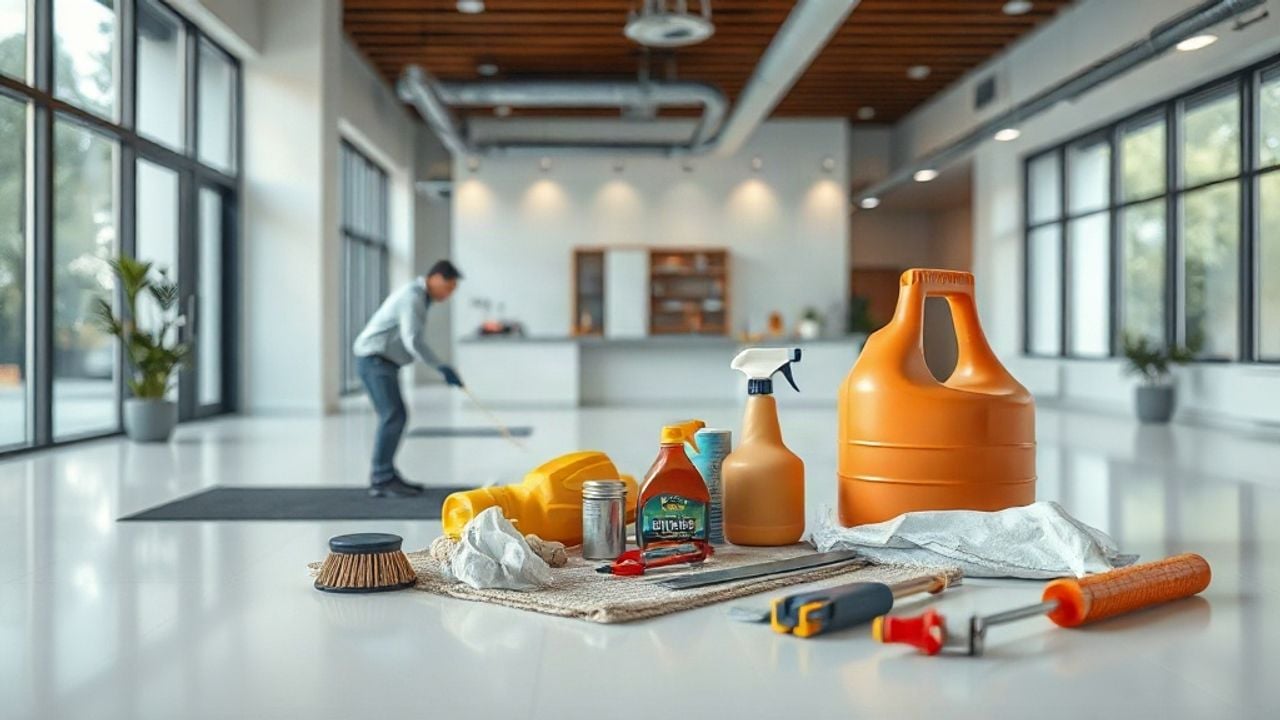 Surrey top Mold RemediationSurrey top Mold Remediation
Tips for Preventing Mold Growth
Preventing mold growth is often more cost-effective and less stressful than remediation. Here are some proactive strategies:
- Ensure proper ventilation in high-moisture areas, such as kitchens and bathrooms.
- Regularly inspect and repair leaks from roofs, plumbing, and basements.
- Control humidity levels within your home, ideally below 50%, using dehumidifiers when necessary.
- Keep gutters clean and ensure run-off water is directed away from the foundation.
- Consider hiring a professional for a thorough inspection if you suspect mold growth or water leaks.
Frequently asked questions
What is Mold Remediation?
Mold remediation entails removing mold and rectifying the environmental factors that facilitate its growth, typically through controlling moisture levels in the building.
How do I choose a Mold Remediation provider?
Select a provider with proper certification and substantial experience, ask for client references, look through customer reviews, and make sure they offer clear cost estimates along with a thorough remediation plan.
How much does Mold Remediation cost?
The price of mold remediation can vary greatly based on the level of contamination and the area involved, generally ranging from $500 up to $6,000. It’s advisable to obtain a detailed quote to clarify the services provided.
Can I perform Mold Remediation myself?
While homeowners can manage small mold issues, it is essential for professionals to handle more extensive infestations to ensure thoroughness and safety.
What type of equipment is used in Mold Remediation?
Professionals employ specialized equipment such as air scrubbers, dehumidifiers, and HEPA vacuums, which are vital for effectively extracting mold spores from the environment during remediation.
When assessing Mold Remediation, concentrate on the proof of effectiveness, clear reporting, and alignment with your market and timeline. Be wary of ambiguous promises that lack a measurement framework.
Inquire about progress monitoring, the distinction between included and optional services, and how the provider modifies strategies if traffic or rankings plateau. A written agreement outlining the scope of work prior to payment can protect both parties.
Mold remediation is essential for maintaining healthy living conditions. Engaging qualified professionals ensures that mold issues are effectively addressed while safeguarding your property and health.
By understanding the importance of prompt action and comprehensive remediation processes, homeowners can better manage their environments and reduce the likelihood of mold recurrence.